Education SaaS Software for Employee Training: Why Modern Businesses Need It
In today’s digital workplace, organizations must continuously invest in employee development to remain competitive. Traditional classroom-based training is expensive, difficult to scale, and often ineffective for distributed teams. This is why education SaaS software for employee training has become one of the fastest-growing technologies across industries.
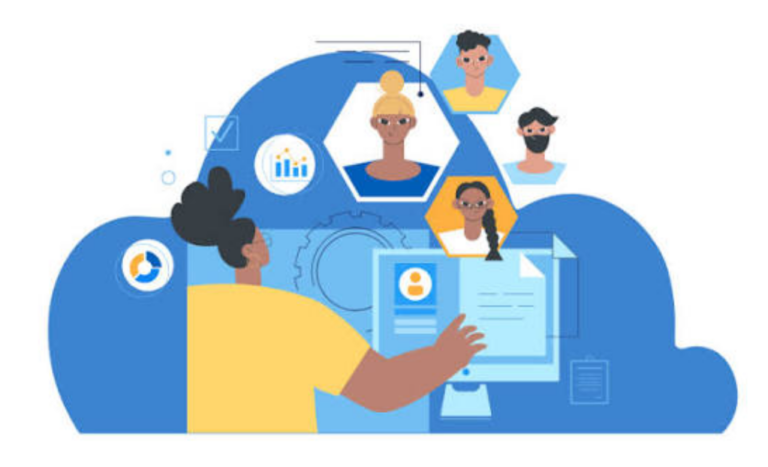
Cloud-based learning platforms allow businesses to create, manage, deliver, and monitor training programs from anywhere in the world. Whether onboarding new employees, teaching compliance regulations, developing leadership skills, or introducing new software, SaaS education platforms simplify the entire learning process.
Companies of every size—from startups to multinational enterprises—are replacing paper manuals and in-person seminars with digital learning ecosystems that provide measurable results.
What Is Education SaaS Software for Employee Training?
Education SaaS (Software as a Service) is cloud-hosted learning software that enables businesses to provide online education to employees.
Instead of installing software on company servers, organizations access the platform through a web browser or mobile application.
Typical capabilities include:
- Employee onboarding
- Compliance training
- Product education
- Technical certification
- Leadership development
- Soft skills learning
- Sales coaching
- Performance assessments
- Knowledge sharing
- Progress reporting
Everything is stored securely in the cloud, making updates immediate and accessible worldwide.
Why Businesses Are Investing in SaaS Learning Platforms
Several workplace trends have accelerated adoption.
Remote Work
Hybrid and remote teams require flexible learning solutions accessible from any location.
Continuous Skill Development
Technology changes rapidly, requiring employees to update skills regularly.
Lower Training Costs
Companies save money on:
- Travel
- Printed materials
- Instructor fees
- Venue rental
- Administrative overhead
Better Learning Analytics
Managers can monitor:
- Course completion
- Quiz scores
- Certification status
- Learning time
- Engagement levels
These insights help improve workforce performance.
Key Features of Education SaaS Software for Employee Training
An effective platform offers far more than online videos.
Learning Management System (LMS)
The LMS serves as the central hub for all learning activities.
Features include:
- Course library
- Enrollment management
- User permissions
- Progress tracking
- Certifications
Interactive Learning
Modern platforms support:
- Videos
- Animations
- Simulations
- Interactive quizzes
- Gamification
- Virtual labs
Interactive content increases knowledge retention.
Mobile Learning
Employees can study using:
- Smartphones
- Tablets
- Laptops
Learning anywhere improves completion rates.
Personalized Learning Paths
Each employee receives courses based on:
- Department
- Role
- Experience level
- Career goals
- Skills assessment
AI Recommendations
Artificial intelligence can recommend:
- Next courses
- Skill gaps
- Certification renewals
- Personalized learning plans
Assessment Tools
Training effectiveness is measured through:
- Multiple-choice tests
- Practical assignments
- Simulations
- Surveys
- Final exams
Certification Management
After successful completion, employees receive digital certificates.
Managers can monitor:
- Expiration dates
- Renewal requirements
- Compliance records
Reporting Dashboard
Executives gain access to:
- Completion rates
- Learning hours
- Department performance
- Skill progress
- ROI metrics
Benefits of Education SaaS Software for Employee Training
Faster Employee Onboarding
New hires become productive sooner through structured onboarding programs.
Instead of spending weeks shadowing coworkers, employees complete digital modules at their own pace.

Consistent Training
Every employee receives identical training materials, reducing inconsistencies across departments and locations.
Increased Employee Engagement
Gamification features such as:
- Badges
- Points
- Leaderboards
- Certificates
encourage participation.
Reduced Training Costs
Organizations eliminate expenses related to:
- Printed manuals
- Instructor travel
- Classroom facilities
- Scheduling logistics
Better Compliance
Industries with strict regulations benefit from automated compliance tracking.
Managers receive reminders before certifications expire.
Improved Productivity
Employees gain skills faster, enabling them to contribute more effectively.
Scalability
Cloud platforms easily support:
- 10 employees
- 100 employees
- 10,000 employees
without significant infrastructure changes.
Industries Using Education SaaS Software
Education SaaS is widely adopted across many sectors.
Healthcare
Training topics include:
- Patient safety
- Medical procedures
- HIPAA compliance
- Infection control
Finance
Employees learn:
- Fraud prevention
- Cybersecurity
- Regulatory compliance
- Risk management
Manufacturing
Training covers:
- Equipment operation
- Workplace safety
- Quality control
- Maintenance procedures
Retail
Staff receive education on:
- Customer service
- Sales techniques
- Product knowledge
- POS systems
Technology
Software companies train employees on:
- Programming
- Cloud platforms
- Cybersecurity
- AI tools
- Product updates
Employee Training Types Supported
Modern platforms support nearly every training format.
Examples include:
- Compliance training
- Technical skills
- Leadership development
- Customer service
- Diversity and inclusion
- Cybersecurity awareness
- Product education
- Sales enablement
- Workplace safety
- Project management
The Role of AI in Employee Learning
Artificial intelligence is transforming corporate education.
AI can:
- Recommend courses
- Generate quizzes
- Evaluate assignments
- Identify skill gaps
- Predict learning outcomes
- Automate reporting
Personalized recommendations significantly improve learning efficiency.
Learning Analytics That Matter
Successful organizations monitor metrics such as:
- Course completion rate
- Average quiz score
- Time spent learning
- Certification rate
- Engagement score
- Skill improvement
- Employee satisfaction
These metrics help optimize training investments.
Gamification Improves Learning
Gamification transforms ordinary courses into engaging experiences.
Common features include:
- Achievement badges
- Experience points
- Daily challenges
- Leaderboards
- Reward systems
- Milestone celebrations
Research consistently shows that interactive learning increases completion rates.
Cloud Security Matters
Employee training often contains confidential business information.
Good SaaS providers implement:
- Data encryption
- Multi-factor authentication
- Role-based permissions
- Secure cloud hosting
- Automatic backups
- Audit logs
Security is essential for enterprise adoption.
Integration With Business Systems
Education SaaS platforms integrate with:
- HR software
- Payroll systems
- Identity providers
- CRM platforms
- Collaboration tools
- Video conferencing software
These integrations reduce manual administration.
Measuring Training ROI
Organizations evaluate return on investment using:
- Reduced onboarding time
- Higher employee retention
- Increased productivity
- Lower compliance violations
- Improved customer satisfaction
- Faster product adoption
Quantifying outcomes helps justify continued investment.
Common Implementation Challenges
While SaaS learning platforms offer numerous advantages, organizations may face:
- Low employee participation
- Poor course design
- Limited executive support
- Lack of learning culture
- Inadequate analytics usage
These challenges can be addressed through thoughtful planning, engaging content, and strong leadership support.
Best Practices for Successful Deployment
To maximize results:
- Define clear learning objectives.
- Develop role-specific learning paths.
- Use interactive multimedia content.
- Encourage continuous learning.
- Track completion and performance.
- Gather employee feedback.
- Update content regularly.
- Reward achievements.
- Integrate learning into daily workflows.
- Measure business outcomes consistently.
Future Trends
The future of employee education includes:
- AI tutors
- Adaptive learning
- Virtual reality simulations
- Augmented reality training
- Microlearning
- Predictive analytics
- Voice-enabled learning
- Skills intelligence
- Competency mapping
- Personalized learning ecosystems
Organizations adopting these innovations will be better positioned to respond to changing business demands.
Frequently Asked Questions
What is education SaaS software for employee training?
It is cloud-based software that enables businesses to create, manage, and deliver online employee learning programs.
Is SaaS training suitable for small businesses?
Yes. Most platforms offer scalable pricing, making them affordable for startups and growing companies.
Can employees learn on mobile devices?
Absolutely. Most modern solutions provide responsive web applications and native mobile apps.
Does SaaS training improve productivity?
Yes. Faster skill development, standardized learning, and continuous education contribute to improved productivity and performance.
How secure is cloud-based training software?
Reputable providers implement encryption, secure authentication, access controls, and regular backups to protect business data.
Conclusion
Investing in education SaaS software for employee training is no longer optional for organizations seeking long-term success. Cloud-based learning platforms streamline onboarding, support continuous skill development, reduce operational costs, and provide measurable insights into workforce performance.
As AI, automation, and digital transformation continue reshaping the workplace, businesses that embrace scalable learning technologies will be better prepared to adapt, innovate, and compete. By combining engaging content, personalized learning paths, analytics, and secure cloud infrastructure, organizations can build a culture of continuous improvement that benefits employees and drives sustainable growth.