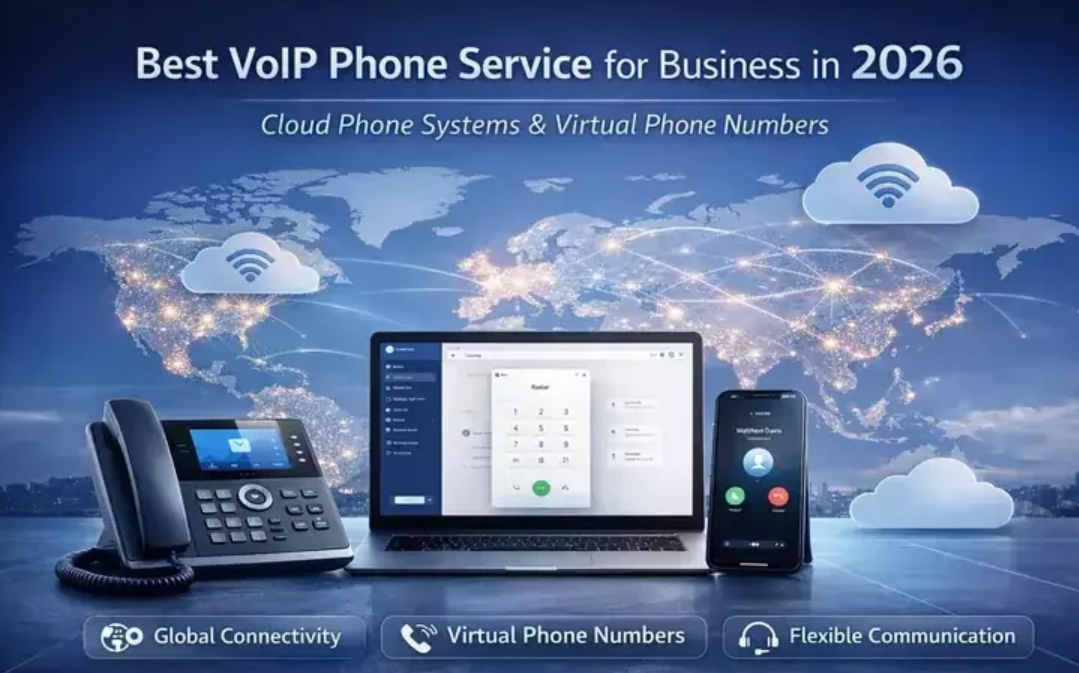
In today’s digital economy, communication is one of the most important assets for every company. Businesses of all sizes now rely on cloud-based phone systems to improve customer service, reduce costs, and support remote teams. Traditional landline systems are quickly being replaced by modern Voice over Internet Protocol (VoIP) platforms that provide flexibility, scalability, and advanced communication tools.
This complete Best Business VoIP Phone Systems Companies and Pricing Guide explains how VoIP systems work, why businesses are switching to cloud phone services, and which providers offer the best solutions for startups, enterprises, ecommerce brands, and remote organizations.
Whether you run a small business, a SaaS company, an ecommerce store, or a growing enterprise, choosing the right VoIP provider can dramatically improve operational efficiency and customer satisfaction.
What Is a Business VoIP Phone System?
A Business VoIP phone system is a cloud-based communication solution that allows companies to make and receive calls using the internet instead of traditional telephone lines.
VoIP systems often include:
- Business phone numbers
- Call forwarding
- Voicemail-to-email
- Video conferencing
- Team messaging
- Auto attendants
- CRM integrations
- Mobile applications
- Analytics dashboards
The biggest advantage is cost savings and flexibility. Employees can answer business calls from laptops, smartphones, or desktop apps anywhere in the world.
Why Businesses Are Switching to VoIP Systems
Modern companies require communication tools that support hybrid work, global operations, and customer support automation.
Here are the main reasons businesses are migrating to cloud-based VoIP platforms.
Lower Communication Costs
Traditional PBX systems require expensive hardware and maintenance. VoIP solutions reduce infrastructure expenses and provide predictable monthly pricing.
Remote Work Support
Remote teams can use business numbers from any location without physical office phones.
Better Customer Experience
Features like IVR menus, call routing, and AI-powered call analytics improve customer support quality.
Scalability
Companies can add or remove users instantly without purchasing new hardware.
Advanced Integrations
Many VoIP platforms integrate with CRM systems, ecommerce software, helpdesk platforms, and collaboration tools.
Best Business VoIP Phone Systems Companies and Pricing Guide
Below are the leading VoIP providers trusted by businesses worldwide.
1. RingCentral

Overview
RingCentral is one of the most recognized business communication providers in the market. It offers enterprise-grade VoIP services with advanced collaboration tools.
Key Features
- HD voice calling
- Video conferencing
- AI-powered call summaries
- Team messaging
- CRM integrations
- Mobile and desktop apps
- Multi-level auto attendant
Pricing
- Essentials: Starting around $20/user/month
- Standard: Around $25/user/month
- Premium: Around $35/user/month
- Ultimate: Custom enterprise pricing
Best For
- Remote companies
- Enterprises
- Customer service teams
- Global businesses
Advantages
- Excellent uptime reliability
- Strong mobile apps
- Enterprise-level security
- Advanced analytics
Disadvantages
- Higher pricing for small startups
- Advanced features require premium plans
2. Nextiva

Overview
Nextiva is known for delivering reliable cloud communication services for small and medium businesses.
Key Features
- Unlimited calling
- Voicemail transcription
- Team collaboration
- Customer management tools
- Video meetings
- Call recording
- Analytics reporting
Pricing
- Digital Plan: Starting around $20/user/month
- Core Plan: Around $30/user/month
- Engage Plan: Around $40/user/month
- Power Suite: Custom pricing
Best For
- SMB businesses
- Customer support centers
- Ecommerce businesses
Advantages
- User-friendly dashboard
- Excellent customer support
- Strong call quality
- Easy onboarding
Disadvantages
- Limited international features on lower plans
- Advanced automation costs extra
3. 8×8

Overview
8×8 provides integrated VoIP, contact center, and video communication solutions.
Key Features
- Global voice coverage
- Unlimited international calling
- Video conferencing
- Contact center tools
- AI analytics
- Team chat
Pricing
- Small Business Plans: Starting around $24/user/month
- Contact Center Plans: Custom pricing
- Enterprise Plans: Custom quotes
Best For
- International companies
- Global support teams
- Large enterprises
Advantages
- International calling support
- Unified communications
- Strong security compliance
Disadvantages
- Learning curve for beginners
- Some advanced features require setup assistance
4. Zoom Phone

Overview
Zoom Communications expanded its ecosystem with Zoom Phone, offering cloud-based business telephony integrated with Zoom Meetings.
Key Features
- Cloud PBX
- Call routing
- Voicemail
- Video integration
- Team chat
- Cross-device support
Pricing
- Metered Plans: Starting around $10/user/month
- Unlimited Regional Calling: Around $15/user/month
- Global Select Plans: Higher enterprise pricing
Best For
- Remote companies
- Hybrid workplaces
- Video-first organizations
Advantages
- Easy integration with Zoom Meetings
- Affordable entry pricing
- Clean interface
Disadvantages
- Limited advanced call center features
- Best functionality inside Zoom ecosystem
5. Vonage Business Communications

Overview
Vonage offers flexible VoIP solutions with strong API integrations and communication tools.
Key Features
- Business calling
- SMS messaging
- Video conferencing
- CRM integrations
- Mobile apps
- Call recording
Pricing
- Mobile Plan: Around $20/user/month
- Premium Plan: Around $30/user/month
- Advanced Plan: Around $40/user/month
Best For
- Growing startups
- API-driven businesses
- Ecommerce companies
Advantages
- Flexible integrations
- Strong mobile support
- Reliable call quality
Disadvantages
- Some features sold separately
- Setup complexity for large deployments
6. Dialpad

Overview
Dialpad focuses heavily on artificial intelligence and automation.
Key Features
- AI-powered call transcription
- Voice intelligence
- Call summaries
- Team messaging
- Video conferencing
- CRM integrations
Pricing
- Standard: Around $15/user/month
- Pro: Around $25/user/month
- Enterprise: Custom pricing
Best For
- Tech companies
- SaaS startups
- AI-driven support teams
Advantages
- Strong AI capabilities
- Modern interface
- Easy deployment
Disadvantages
- Internet quality impacts performance
- Some analytics limited on basic plans
7. Ooma Office

Overview
Ooma provides affordable VoIP solutions specifically designed for small businesses.
Key Features
- Virtual receptionist
- Mobile app
- Call forwarding
- Ring groups
- Voicemail transcription
Pricing
- Essentials: Around $20/user/month
- Pro: Around $25/user/month
- Pro Plus: Around $30/user/month
Best For
- Small businesses
- Local service companies
- Retail businesses
Advantages
- Affordable pricing
- Simple setup
- Good customer support
Disadvantages
- Limited enterprise tools
- Fewer advanced integrations
Key Features to Look for in VoIP Systems
Choosing the right provider requires understanding the most important communication features.
Call Management
Look for:
- Auto attendants
- Call queues
- Call forwarding
- Ring groups
- Call recording
These features improve customer service efficiency.
Mobile Compatibility
Modern teams work remotely. Your VoIP system should support:
- iOS apps
- Android apps
- Desktop applications
- Browser calling
CRM Integration
The best VoIP systems integrate with:
- Salesforce
- HubSpot
- Zoho CRM
- Microsoft Dynamics
- Zendesk
CRM integration improves sales and customer support workflows.
Security and Compliance
Security is critical for businesses handling sensitive information.
Important standards include:
- End-to-end encryption
- SOC 2 compliance
- HIPAA compliance
- GDPR compliance
- Multi-factor authentication
Analytics and Reporting
Advanced analytics help businesses monitor:
- Call duration
- Team productivity
- Customer wait times
- Missed calls
- Conversion rates
AI-powered insights are becoming increasingly popular.
Best VoIP Systems for Different Business Types
Best for Small Businesses
Recommended:
- Ooma Office
- Nextiva
- Zoom Phone
These providers offer affordable plans and simple setup.
Best for Large Enterprises
Recommended:
- RingCentral
- 8×8
- Cisco Webex Calling
Enterprise companies require scalability and advanced management tools.
Best for Remote Teams
Recommended:
- Zoom Phone
- Dialpad
- RingCentral
These platforms excel in mobile accessibility and video conferencing.
Best for Ecommerce Companies
Recommended:
- Nextiva
- Vonage
- RingCentral
Ecommerce businesses benefit from CRM integrations and customer support automation.
How Much Does a Business VoIP System Cost?
Pricing depends on several factors:
- Number of users
- International calling
- AI features
- Contact center tools
- Integrations
- Analytics requirements
Typical pricing ranges:
| Business Size | Monthly Cost |
|---|---|
| Small Business | $15–$30/user |
| Medium Business | $25–$50/user |
| Enterprise | Custom pricing |
Additional costs may include:
- Hardware phones
- Setup fees
- SIP trunking
- International minutes
VoIP vs Traditional Phone Systems
| Feature | VoIP | Traditional PBX |
|---|---|---|
| Installation | Easy | Complex |
| Monthly Cost | Lower | Higher |
| Remote Work | Excellent | Limited |
| Scalability | High | Low |
| Maintenance | Minimal | Expensive |
| Video Conferencing | Included | Rare |
VoIP systems are generally the better option for modern digital businesses.
How to Choose the Best Business VoIP Provider
Define Your Budget
Start by determining monthly communication expenses.
Small startups may prefer affordable providers like Ooma or Zoom Phone.
Large enterprises may require advanced systems like RingCentral or 8×8.
Identify Must-Have Features
Important considerations include:
- International calling
- CRM integrations
- AI automation
- Video conferencing
- Contact center tools
Evaluate Customer Support
Reliable customer support is extremely important for communication systems.
Look for:
- 24/7 support
- Live chat
- Dedicated onboarding
- Technical account managers
Test Free Trials
Most providers offer demos or free trials.
Testing call quality and usability before committing is highly recommended.
Benefits of Cloud-Based VoIP for Modern Businesses
Cloud communication systems provide several competitive advantages.
Increased Productivity
Employees can collaborate faster using unified communication tools.
Better Customer Support
Intelligent call routing reduces wait times and improves satisfaction.
Business Continuity
Cloud-based systems remain operational during local office outages.
Global Expansion
Companies can easily obtain international business numbers.
Common Mistakes Businesses Make When Choosing VoIP Providers
Choosing Based Only on Price
Cheaper services may lack reliability and support.
Ignoring Scalability
Businesses should choose platforms that support future growth.
Overlooking Security
Poor security can expose sensitive customer information.
Not Checking Internet Requirements
VoIP quality depends heavily on stable internet connectivity.
Future Trends in Business VoIP Technology
The VoIP industry is evolving rapidly with artificial intelligence and automation.
Major trends include:
- AI voice assistants
- Real-time call transcription
- Predictive customer support
- Unified communication platforms
- Deeper CRM integrations
- Advanced analytics dashboards
Businesses adopting modern communication systems early gain significant operational advantages.
Final Thoughts
This Best Business VoIP Phone Systems Companies and Pricing Guide demonstrates how cloud communication technology is transforming modern businesses.
The best provider depends on your organization’s size, budget, and operational needs.
For enterprises needing advanced scalability and analytics, RingCentral and 8×8 remain strong choices.
For small businesses seeking affordability and simplicity, Ooma Office and Zoom Phone provide excellent value.
For AI-powered automation and remote work optimization, Dialpad and Nextiva stand out in today’s competitive market.
As digital transformation accelerates, investing in a reliable VoIP communication system is no longer optional. Businesses that modernize their communication infrastructure can improve customer experience, increase team productivity, and reduce operational costs simultaneously.