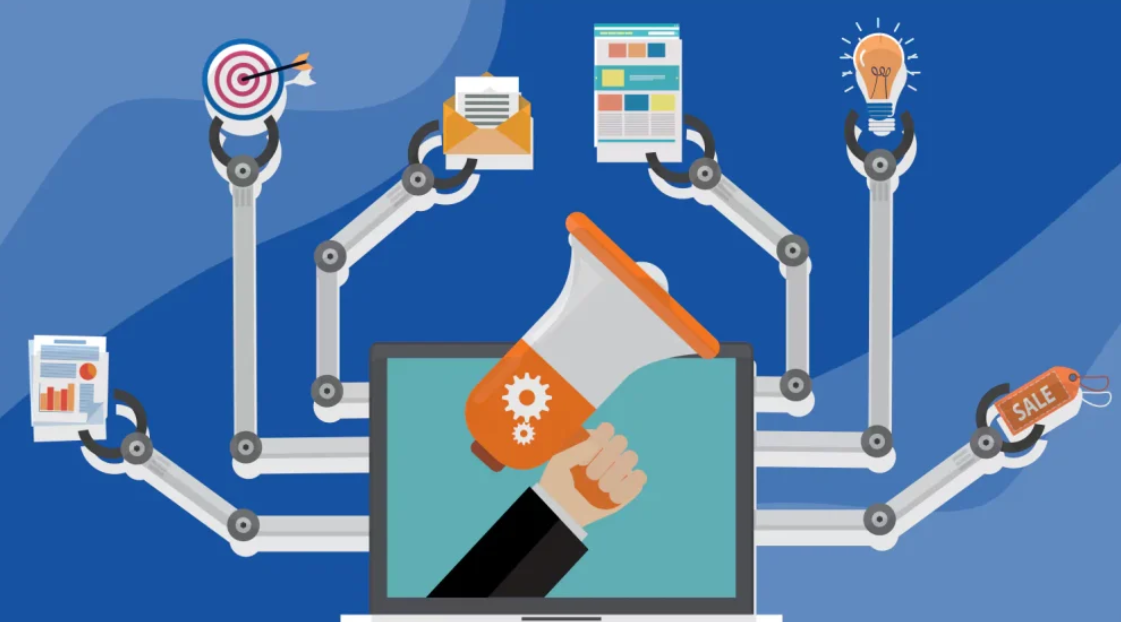
In today’s fast-paced digital economy, small businesses and startups must compete with larger companies that have bigger budgets, more resources, and established brand recognition. One of the smartest ways to level the playing field is by leveraging automation. This is where a marketing automation tools comparison becomes essential.
Choosing the right marketing automation platform can dramatically improve your efficiency, increase conversions, and drive consistent growth. But with so many tools available in 2026, how do you know which one is right for your business?
This comprehensive guide will walk you through everything you need to know—from features and pricing to use cases and ROI—so you can confidently choose the best solution.
What Is Marketing Automation?
Marketing automation refers to software platforms designed to automate repetitive marketing tasks such as:
- Email marketing campaigns
- Social media posting
- Lead nurturing workflows
- Customer segmentation
- Analytics and reporting
Instead of manually sending emails or tracking customer interactions, these tools allow businesses to create intelligent workflows that operate automatically based on user behavior.
Why Small Businesses and Startups Need Marketing Automation
Small businesses often operate with limited manpower and tight budgets. Marketing automation helps by:
1. Saving Time
Automation eliminates repetitive tasks, allowing your team to focus on strategy and growth.
2. Increasing Efficiency
With automated workflows, you can engage customers at the right time without manual intervention.
3. Improving Customer Experience
Personalized messaging and timely follow-ups enhance user satisfaction.
4. Boosting ROI
Automation ensures better targeting, leading to higher conversion rates and improved revenue.
Key Features to Look for in a Marketing Automation Tool
Before diving into the marketing automation tools comparison, it’s important to understand what features matter most.
1. Email Marketing Automation
Look for tools that allow you to create automated email sequences based on triggers like sign-ups, purchases, or user behavior.
2. CRM Integration
A built-in or integrated CRM helps manage customer relationships and track interactions.
3. Workflow Builder
Drag-and-drop automation builders make it easier to design complex marketing funnels.
4. Analytics and Reporting
Detailed insights help you measure performance and optimize campaigns.
5. Lead Scoring
Identify high-quality leads based on engagement and behavior.
6. Multi-Channel Marketing
Support for email, SMS, social media, and push notifications is a big plus.
Top Marketing Automation Tools Comparison (2026)
Let’s break down the best tools available today and compare them based on features, pricing, and suitability.
1. HubSpot Marketing Hub
Overview
HubSpot is one of the most popular all-in-one marketing platforms.
Key Features
- Advanced email automation
- Built-in CRM
- Landing page builder
- Lead scoring and segmentation
- Detailed analytics
Pros
- User-friendly interface
- Scalable for growing businesses
- Strong integration ecosystem
Cons
- Expensive for advanced features
Best For
Startups planning to scale quickly and need an all-in-one solution.
2. ActiveCampaign
Overview
ActiveCampaign is known for its powerful automation capabilities at a reasonable price.
Key Features
- Advanced workflow automation
- Email marketing and CRM
- Predictive sending
- Lead scoring
Pros
- Highly customizable workflows
- Affordable compared to competitors
- Strong automation capabilities
Cons
- Slight learning curve
Best For
Small businesses focused on email marketing and automation depth.
3. Mailchimp
Overview
Mailchimp started as an email marketing tool but has evolved into a broader marketing platform.
Key Features
- Email automation
- Audience segmentation
- Basic CRM features
- Marketing analytics
Pros
- Easy to use
- Free plan available
- Great for beginners
Cons
- Limited advanced automation features
Best For
Startups with limited budgets and simple marketing needs.
4. GetResponse
Overview
GetResponse is a versatile tool that combines email marketing with sales funnels and webinars.
Key Features
- Email automation
- Funnel builder
- Webinar hosting
- Landing pages
Pros
- All-in-one functionality
- Affordable pricing
- Built-in webinar feature
Cons
- Interface can feel outdated
Best For
Businesses that want integrated funnels and webinars.
5. Brevo (formerly Sendinblue)
Overview
Brevo is a cost-effective marketing automation platform with strong SMS capabilities.
Key Features
- Email and SMS marketing
- Marketing automation workflows
- CRM integration
- Transactional emails
Pros
- Affordable pricing
- Strong SMS marketing
- Good deliverability
Cons
- Limited advanced features
Best For
Small businesses that rely on SMS and email marketing.
6. Zoho Marketing Automation
Overview
Zoho offers a budget-friendly solution that integrates seamlessly with its ecosystem.
Key Features
- Lead management
- Email automation
- CRM integration
- Campaign tracking
Pros
- Affordable
- Good integration with Zoho CRM
- Simple interface
Cons
- Limited third-party integrations
Best For
Businesses already using Zoho products.
Pricing Comparison
| Tool | Starting Price | Free Plan | Best Value For |
|---|---|---|---|
| HubSpot | $$$ | Yes | Scaling startups |
| ActiveCampaign | $$ | No | Advanced automation |
| Mailchimp | $ | Yes | Beginners |
| GetResponse | $$ | Yes | Funnel-based marketing |
| Brevo | $ | Yes | SMS + email marketing |
| Zoho | $ | Yes | Budget-conscious businesses |
How to Choose the Right Tool
Choosing the right platform depends on your specific needs. Here’s how to decide:
1. Define Your Goals
Are you focused on email marketing, lead generation, or full funnel automation?
2. Consider Your Budget
Some tools offer powerful features but can be expensive as you scale.
3. Evaluate Ease of Use
If your team is small, choose a platform with a simple interface.
4. Check Integration Options
Ensure the tool integrates with your existing systems like CRM, eCommerce, or analytics tools.
5. Scalability
Choose a platform that can grow with your business.
Benefits of Using Marketing Automation Tools
Increased Lead Conversion
Automated follow-ups ensure no lead is forgotten.
Better Customer Targeting
Segmentation allows for highly personalized campaigns.
Consistent Communication
Automation ensures your messaging remains consistent across channels.
Data-Driven Decisions
Analytics provide insights into what works and what doesn’t.
Common Mistakes to Avoid
Even the best tools won’t help if used incorrectly. Avoid these pitfalls:
1. Over-Automation
Too many automated messages can overwhelm customers.
2. Poor Segmentation
Sending the same message to everyone reduces effectiveness.
3. Ignoring Analytics
Failing to analyze results leads to missed optimization opportunities.
4. Choosing Based on Price Alone
Cheap tools may lack essential features.
Future Trends in Marketing Automation (2026 and Beyond)
The marketing automation landscape continues to evolve rapidly. Here are key trends to watch:
AI-Powered Automation
Artificial intelligence is making automation smarter and more predictive.
Hyper-Personalization
Tools are becoming better at delivering highly personalized experiences.
Omnichannel Marketing
Integration across multiple channels is becoming standard.
No-Code Automation
Drag-and-drop builders are making automation accessible to non-technical users.
Final Thoughts
This marketing automation tools comparison shows that there is no one-size-fits-all solution. The best tool depends on your business size, goals, and budget.
- If you want a powerful all-in-one platform → HubSpot
- If you need advanced automation → ActiveCampaign
- If you’re just starting out → Mailchimp
- If you want funnels + webinars → GetResponse
- If you need affordable SMS + email → Brevo
- If you’re on a tight budget → Zoho
The key is to start with your needs, test a few platforms, and scale as your business grows.
Conclusion
Marketing automation is no longer optional—it’s a necessity for small businesses and startups that want to compete in a crowded digital marketplace. By using the right tool, you can save time, improve efficiency, and significantly boost your ROI.
Take the time to evaluate your options carefully. A well-informed decision today can set your business up for long-term success.